
Latest Products



Contact Us
902, Building A3, Tianrui Industrial Park, No. 35 Fuyuan 1st Road, Zhancheng Community, Fuhai Street, Bao'an District, Shenzhen
sales@shdindustry.com
+86-755-23358353
Friendly Sharing : Crystal Glass Manufacturer or Crystal Blogposts

Silicone Mould and prototype
A prototype is a common model used in the product development process to help designers and engineers evaluate and test a product's appearance, functionality, and performance at an early stage. Prototype production is not only a technology, but also an art. It provides designers with a physical model for intuitive evaluation and improvement. This article will introduce in detail the production process, quality judgment and application scenarios of prototypes in product design.
Prototype production process
Prototype production usually includes the following methods:

CNC production:
First, according to the design drawings or prototypes, use appropriate materials (such as wood, plastic, metal, etc.) for programming, and then continue processing by CNC machine tools.

Silicone mold flipping:
Make a prototype of the model (3D printing or CNC processing), process the prototype, and then copy the product.

3D printing:
Print according to the drawings (some require disassembly first). There may be some defects on the printed surface, so polishing and trimming are required to improve the surface quality and accuracy of the model.
Prototype quality judgment
To judge the quality of prototype production, you can judge from the following aspects:
Smooth surface:
The surface of a high-quality prototype should be smooth and flat, without obvious flaws or textures. This helps designers and engineers accurately evaluate the appearance and finish of a product.
01
Complete details:
A high-quality prototype should accurately reflect all details and features in the design drawings, so that designers and engineers can fully understand the shape, structure and design intent of the product.
02
Dimensional accuracy:
A high-quality prototype should have high-precision dimensions, and the dimensional error from the design drawings should be as small as possible. This helps ensure the accuracy of the product's dimensions and proportions.
03
Durability:
The prototype should have a certain degree of durability and be able to withstand the wear and impact of multiple uses and transportation.
04
Prototype Application Scenarios
Prototypes are widely used in product design. Here are some common scenarios:
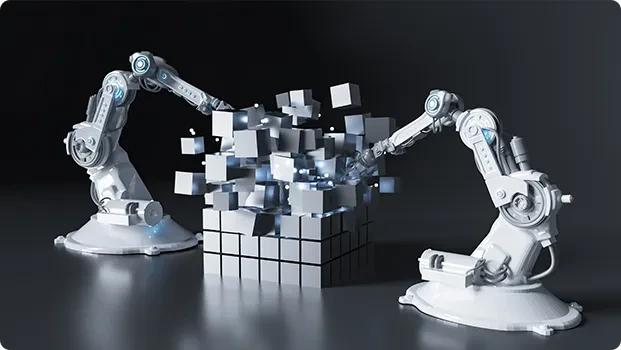
1. Evaluate the preliminary design effect: In the early stage of design, prototypes can help designers evaluate whether the appearance, structure and function of the product meet expectations. Through prototypes, designers can intuitively see the advantages and disadvantages of the design, so that they can make improvements and optimizations.
2. As a reference for mold making: The prototype can be used as a reference for making molds. Molds made from prototypes can more accurately replicate the shape and structure of the product, thereby improving the quality and consistency of the final product.
3. Communicate with consumers: Prototypes can also be used as a tool to communicate with consumers. During the product development process, designers can collect feedback and suggestions by showing prototypes to consumers to better meet consumer needs and market expectations.
4. Internal communication and decision-making: Prototypes can also be used for internal communication and decision-making. Designers, engineers and management can discuss and evaluate through prototypes to more accurately understand the features and potential of the product and make decisions on the product's development direction.
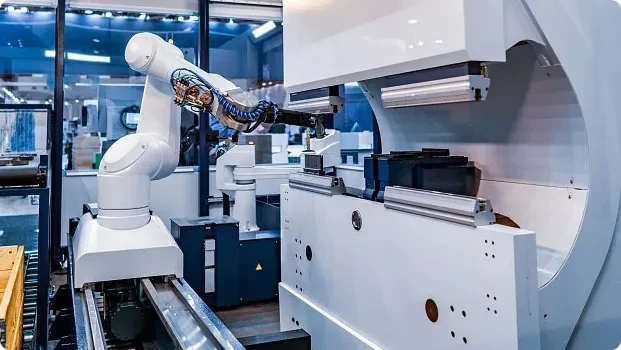
The role of prototypes in product design is obvious. It is an indispensable tool for designers and engineers in the product development process. By making prototypes, designers can visually evaluate the appearance, structure, and performance of the product, and engineers can better understand the product's characteristics and potential to make more precise decisions in the subsequent development process. At the same time, prototypes can also be used as a tool for communication with consumers and internal decision-making, helping companies more accurately understand market demand and product development direction. Therefore, we should fully understand the role and use of prototypes in order to better apply them in the product development process. SHD Industry is a professional prototype manufacturer with 15 years of industry experience. If you have prototype production needs, please contact us.
We're well-known as one of the leading silicone &vaccum casting manufacturers and suppliers in China. If you're going to buy bulk high quality silicone &vaccum casting made in China, welcome to get free sample from our factory. For custom service, contact us now.
