
-
Phone
+86 139 2658 4851
-
Address
902, Building A3, Tianrui Industrial Park, No. 35 Fuyuan 1st Road, Zhancheng Community, Fuhai Street, Bao'an District, Shenzhen
-
E-mail
Several common metal surface treatments and their selection methods
Introduction
As a material widely used in industry and daily life, the improvement and protection of metal performance has always been a research hotspot in the field of materials science. Metal surface treatment technology gives metals new properties such as corrosion resistance, wear resistance, and aesthetics by changing the chemical composition or physical structure of the metal surface. The following introduces several commonly used metal surface treatments for reference and selection in mechanical structure design.
Galvanizing
Definition: Galvanized metal can be defined as metal that has been treated with a galvanizing process to deposit a layer of zinc on the metal surface to prevent rust. Generally, the galvanizing process is to immerse the metal in hot zinc to form a zinc layer that has a chemical bond with the metal surface, thereby providing a protective coating.

Application: Many metals can be galvanized, but the most common are steel and iron. Ferrous metals, including cast steel, cast iron, malleable cast iron, hot-rolled steel, and cold-rolled steel, are often galvanized. In contrast, nonferrous metals such as copper or aluminum do not develop a galvanized coating as a result of the galvanizing process.
Galvanizing Process: The galvanizing process consists of three main stages: including: Surface preparation, actual galvanizing, and post-treatment. It is critical to properly prepare the surface and follow the correct steps after the galvanizing process to ensure the functionality and aesthetics of the coating.

How it works: During the galvanizing process, zinc interacts with the iron in the metal to form a tough alloy layer. This protective layer helps protect the base metal from corrosive agents, including acids, bases, and gas environments, thus extending the life of the base metal. This protective zinc layer also acts as a sacrificial layer; if exposed, it will corrode faster than the base metal, thus protecting it from rust and corrosion. Other treatments, such as chromating, can improve the protective properties of galvanized metal, which is why it is widely used in the construction, automotive, and manufacturing industries.
Types of Galvanizing Processes
Hot-Dip Galvanizing
Hot-dip galvanizing, or hot-dip galvanizing, is a process where properly cleaned metal is dipped into molten zinc. The zinc fuses with the metal substrate to form a metallurgical bond, creating a protective layer. This method is fast and inexpensive, but can result in layers of varying thickness.
Pre-Galvanizing
Pre-Galvanizing is performed during the first stage of steelmaking. The metal sheet is cleaned, passed through a zinc bath, and coiled. While this produces a uniform coating, it can create exposed areas from other manufacturing processes.
Electro-Galvanizing
Electro-Galvanizing uses an electrolyte and an electric current to cause zinc ions to attach to the steel. This method produces an accurate and consistent layer of coating material, but is generally less than hot-dip galvanizing.
Therefore, each galvanizing method has its advantages and disadvantages, and it is critical to choose the most appropriate technology for your project.
Selection of galvanized steel and aluminum
Galvanized aluminum and steel are widely used in many industries due to their unique physical and chemical properties. Galvanized steel is known for its excellent durability and corrosion resistance, and is often used in automobile manufacturing, building roofs and fence construction. At the same time, aluminum stands out for its low density and high specific strength, playing an important role in transportation fields such as aviation, navigation, rail transportation, as well as in construction and electrical engineering.
In the manufacture of fan blades, although both galvanized steel and aluminum are used, galvanized aluminum sheets are more favored due to their lower weight. However, for HVAC system ducts and fan housings, galvanized steel sheets are the preferred material due to their cost-effectiveness and ease of processing.
In terms of ductility, aluminum wins with its excellent ductility and can be easily formed into a variety of forms without losing its inherent strength. In comparison, although galvanized steel also has a certain degree of ductility, its performance is slightly inferior to aluminum in terms of shaping and forming. When faced with projects that require complex forming or design, aluminum is the preferred material due to its flexibility. It is worth noting that steel can also be formed more freely after heat treatment, although this process is more technically complex.
Advantages and Disadvantages of Galvanizing
Advantages :
The zinc layer on the steel surface protects the part from corrosion by acting as a sacrificial layer that corrodes before the substrate.
It is strongly bonded to the substrate. Therefore, there is no risk of flaking.
Zinc metal is relatively cheaper than chromium and nickel. Therefore, zinc plating is more cost-effective than other electroplating.
Thermal stability is another advantage of zinc plating.
The complexity of the substrate geometry does not affect the zinc deposition process.
The use of zinc coating to protect metal parts improves the original conductivity of the substrate part, mainly for ferrous materials.
Disadvantages:
Thicker coatings (usually > 25 µm) can cause embrittlement and cracking of the zinc layer.
Hydrogen gas may enter the steel during the electrolysis process and may cause embrittlement and failure risks.
The visual appearance may deteriorate over time.
It is limited to chloride-prone environments, especially when comparing chrome plating with zinc plating.
Advantages and Disadvantages of Chrome Plating
Advantages:
It provides wear resistance, corrosion resistance, scratch resistance, hardness and low friction to the plated parts or components.
The beautiful shiny and reflective finish of chrome makes it suitable for enhancing performance and appearance.
The chemical inertness of chrome to certain chemicals, solvents and oils can protect the components underneath from these external factors.
This type of plating can also correct minor surface irregularities and imperfections.
The chrome plated surface is easy to clean.
Disadvantages:
Raw chrome is more expensive than other plated metals, so this surface treatment is more expensive than other surface treatments.
The use of hexavalent chromium may pose health risks. Therefore, strict control systems are required in this process.
Once the coating is damaged or peeled off, it is difficult to repair.
Achieving a uniform chrome coating on complex shapes can be challenging.

Advantages and Disadvantages of Nickel Plating
Advantages:
Recommended Nickel Plating Properties Makes the main surface wear-resistant, abrasion-resistant, and corrosion-resistant.
It can improve the electrical conductivity of the work material.
Electroless nickel plating ensures uniform plating even for complex geometries such as internal holes and grooves.
Nickel plating provides a bright and shiny silver appearance.
Due to the thermal properties of nickel, nickel-plated parts can withstand high temperatures.
Disadvantages:
It exhibits inertness to some chemicals such as alkalis, petroleum, salt water, and some soft acids. This electroplated metal costs more, making the electroplating process expensive.
The porosity of nickel causes its corrosion and wear resistance to be relatively lower than that of zinc and chrome plating.
Nickel-plated surfaces require regular cleaning and polishing to maintain the finish over the long term.

Passivation
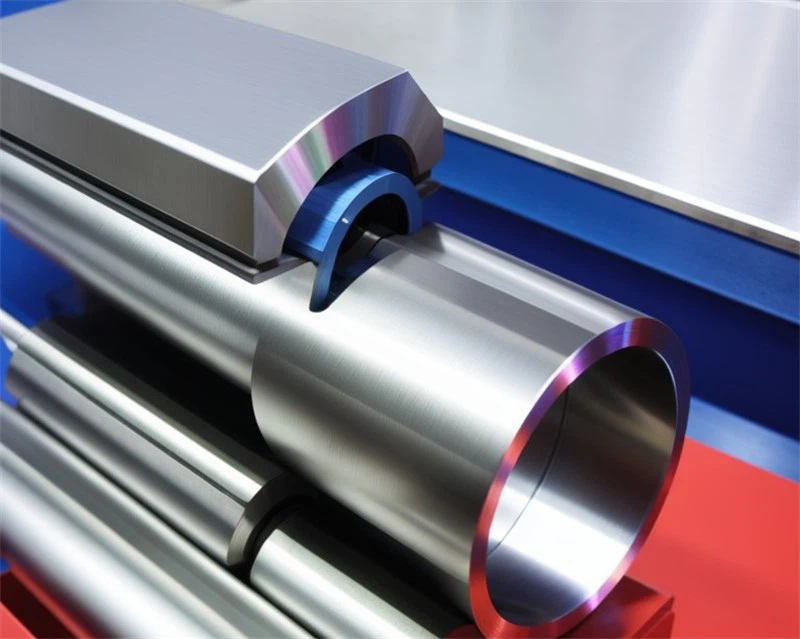
Passivation is a rust-proof surface treatment method that improves the corrosion resistance of metals by chemically reacting with the metal surface to form an oxide layer.
Scope of application
Passivation is generally applicable to metal materials such as stainless steel and aluminum alloys.
Process characteristics
The passivation process includes steps such as cleaning, soaking, passivation agent treatment, neutralization, cleaning, and air drying. The cost of passivation is relatively low because the price of the passivation agent is relatively low, and it should be completed. However, there may be a small amount of metal ions on the surface after passivation, which will have a certain impact on the environment.
Principle of stainless steel passivation: The chromium in stainless steel reacts with oxygen in the air to form a passivated chromium oxide layer with anti-corrosion properties, while the free iron in the alloy accelerates corrosion. This dissolves the free iron and improves the chromium oxide layer, making the metal more corrosion-resistant.
Anodizing
Definition: Anodizing is an electrolytic process that increases the size of the oxide layer on the surface of a metal, making it more corrosion resistant. This method is mainly used for aluminum.

Process
·Preparation: The aluminum alloy is cleaned and placed in a sulfuric acid electrolyte.
·Electrolytic process: The aluminum is used as the anode and a material that does not react with the electrolyte, such as stainless steel, nickel or carbon, is used as the cathode.
·Formation of oxide: When voltage is applied, the anode produces oxygen, which reacts with the aluminum to form a layer of aluminum oxide.
Types of electrolytes and their effects:
·At 10°C, 15–25% sulfuric acid forms an oxide layer of about 25µm/hour on the part.
·Oxalic acid and sulfuric acid at 30°C form an oxide layer of about 0 mm per hour.
·10% chromic acid at 38–42°C forms an oxide layer of about 15µm/hour.
Advantages
·Durability: The surface becomes denser and more wear-resistant.
·Aesthetic appeal: Anodizing can also produce a dull surface, but it can be tinted to a permanent color.
·Improved coating: Rough surfaces are also beneficial for painting and other forms of coating because they adhere better to the textured surface.
Anodizing is particularly suitable for parts that require wear resistance, corrosion resistance, and aesthetics.
Choice between anodizing and passivation
1. If it is only to prevent rust or corrosion on the metal surface, and cost reduction is the main consideration, then passivation is a good choice. If you need to enhance the oxidizability, hardness and durability of the metal surface, and do not mind the relatively high cost, you can choose anodizing.
2. The laser damage threshold of passivation and micro-arc oxidation is higher, while the damage threshold of chemical nickel plating, anodized black and hard anodized surfaces is lower. [Literature source: China Laser 43 Volume 12: The influence of surface treatment process on the laser damage capacity of aluminum alloy]
Black anodizing
The manufactured aluminum parts obtain a protective and beautiful surface through the black anodizing process. It provides a black matte finish and improves corrosion resistance, wear resistance and abrasion resistance.
(Insert picture)
Black anodizing starts with the normal anodizing process, and then the anodized aluminum soaks the pigment into the black dye through the pores of the formed aluminum oxide layer.
Chemical film
Chemical film or chromate conversion coating is another passivation process used on aluminum. It involves immersing the metal surface in a chemical solution and then spraying or brushing it. This treatment does not change the metal's dimensions and can be used as a base for other organic coatings. Chemical film is also used to repair anodized surfaces and prepare the surface for subsequent anodizing. The final layer can be a transparent yellow or tan color, which causes a yellow tint to appear on the treated metal.
Electroplating
The electroplating process deposits one metal onto the surface of another metal through acidic hydrolysis. In this process, the metal to be plated is used as a cathode (negatively charged) and a sacrificial anode (positively charged), such as silver, is used. For example, a sacrificial silver anode can deposit a steel or aluminum cathode. Electroplating is a process that helps improve the corrosion resistance and strength of a part.

Powder coating
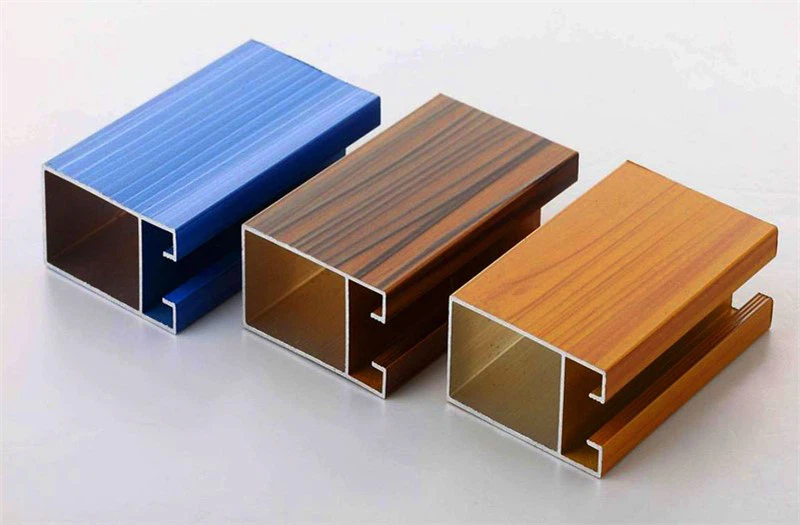
Powder coating is a dry process where a dry powder is applied to a substrate. It differs from liquid coatings which use evaporating solvents: the powder coating process involves electrostatic spraying followed by curing the coating by heat or UV light. The powders that can be used can be either thermoplastic or thermosetting. In addition, it gives a harder, more uniform surface than traditional coatings, making it more effective. Polymer powders can be easily applied to metals such as aluminum and steel, giving the surface a hard and attractive finish.
Coating
Teflon coating (PTFE) plastic king
Teflon, Teflon spraying, thickness is about 50-100um
Application examples: coating pots, hot cutting knives, rollers
Temperature range: long-term 240-260 degrees, short-term above 300
Process characteristics:
1. Smooth surface. Mobile phone fixtures, camera parts, rollers
2. Self-lubricating, increase wear resistance. Rubber rings, piston rings, rotors, slide rails, gears, pistons
3. Non-stick, handle bonding. Anti-glue products, sugar, film pressing rollers, coating machinery
4. High temperature resistance, impact resistance, insulation, no brittleness at low temperature, no melting at high temperature
5. Corrosion resistance, almost no corrosion
